
Carpentry & Joinery in Suffolk
Most of the joinery I do in Suffolk homes isn't dramatic — it's the careful fitted shelving, the new internal door hung properly, the alcove unit that finally makes the lounge work. The everyday stuff, done well.
Shelving, alcove units and bookcases
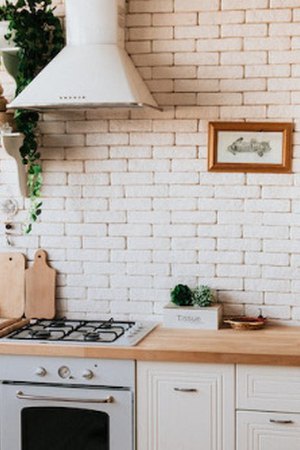
Fitted alcove units either side of a chimney breast are probably the single most-requested carpentry job in Suffolk homes — usually a combination of base cupboards with a worktop and floating or fixed shelves above. Done in painted MDF (the most common, cheapest and tidiest finish), they look like permanent built-in joinery once they're caulked, primed and painted to match the surrounding walls. Done in solid timber or veneered birch ply, they read more handmade and bespoke. Either approach is fine — it's about matching the rest of the room.
A typical project: scribed base panels to the floor, side panels notched around skirtings, a continuous worktop across the alcove with a slight overhang to the chimney breast, two doors below with soft-close hinges, then four to five solid shelves above on adjustable studs or fixed brackets, finally caulked and painted. Roughly two days on site for a single alcove, three to four for both sides matching.
Internal doors and door furniture
Hanging an internal door properly is about three things: getting the lining square (or accepting it's not, and shaving the door to suit), planing the leading edge to the right slight bevel so it closes cleanly, and fitting the latch and hinges so the door sits flush in the frame and doesn't bind in winter when the timber swells. None of these are difficult skills, but they're skills, and a door that's been hung in a hurry will haunt you every time you walk past it.
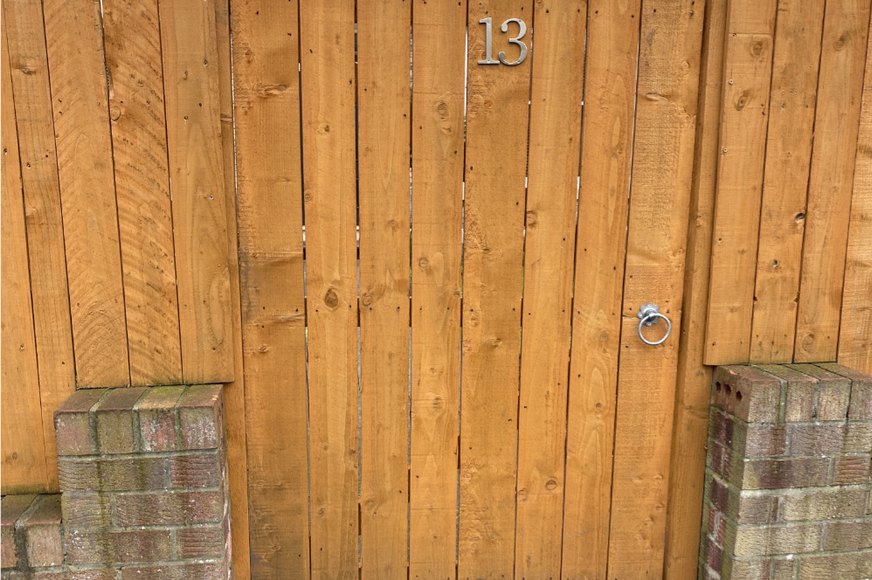
I hang new internal doors, replace door linings, fit fire doors with the correct intumescent strips and seals, fit door closers, swap handles and hinges, ease binding doors, and fit draft seals to draughty old doors. Same for external doors — replacing a tired front door is one of the highest-impact small refurb jobs you can do.
Skirting, architrave, dado rails and wainscoting
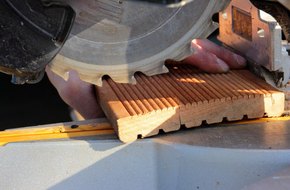
Replacing tired pine skirting board with proper MDF or hardwood skirting transforms a room. The same goes for architraves around doors and windows. I do the full job: removal of old, packers and adjustments to bring the new line straight (no Suffolk wall is straight), mitred corners cut on a chop saw, glued and pinned, then caulked along the top edge for a perfectly clean line ready to paint.
I also fit picture rails, dado rails, wall panelling (Edwardian and Shaker styles — both back in fashion), tongue-and-groove in bathrooms and hallways, and the increasingly popular fluted MDF feature panels you'll see in design magazines.
Bigger joinery: stairs, partitions, lofts, garden buildings
Larger projects I take on regularly: stair refurbishment (replacing spindles and newel posts, fitting new treads, repainting handrails), building stud partition walls to divide rooms (with sound-deadening insulation as standard), framing out understairs cupboards, fitting loft hatches and pull-down loft ladders, and assembling and fitting garden buildings — sheds, summer houses, log cabins and home-office pods.
For loft conversions, structural extensions and anything needing building control sign-off I'll work as second-fix carpenter alongside a local builder rather than taking the project on as principal contractor. That keeps the building control side properly handled by someone qualified to do it.
Why careful joinery is worth paying for
The difference between carpentry done quickly and carpentry done properly is mostly invisible to a casual eye but becomes obvious within a year. Mitres that close cleanly versus mitres that gap open as the timber moves. Shelves that stay level versus shelves that sag because they were under-supported. Skirting where the caulked top line is dead straight versus a wavy line that the eye picks out every time you walk into the room. None of these things take long. They just need someone who cares about the finish.
Frequently asked questions
How long do alcove units take?
A single alcove (cupboards plus shelving) is typically two days on site, with the painting often done the next day. A pair of matching alcoves is three to four days.
Do you make bespoke furniture?
I build fitted furniture — alcove units, wardrobes, window seats, fitted bookcases. For free-standing bespoke furniture I'd recommend a proper cabinetmaker.
What's the best material for fitted joinery?
MR (moisture-resistant) MDF for painted finishes — it's stable, tidy and takes paint beautifully. Solid timber or veneered birch ply for stained/oiled finishes.
Can you replace skirting in a single room?
Yes. A typical bedroom or living room can be done in a long day. It's worth doing alongside a repaint as the wall above the new line will usually need touching in.
Do you fit fire doors?
Yes — with proper intumescent strips, smoke seals, three-hinge fixings and certified ironmongery. Particularly relevant for HMOs and loft conversions.
Other services I offer across Suffolk
Towns I cover for carpentry & joinery
I work across the whole of Suffolk. A handful of the towns I regularly visit:
Ready to book carpentry & joinery in Suffolk?
Drop me a line with a few photos and a description of the job. I'll come back to you the same day with an honest opinion and a no-obligation quote.