
Fencing & Gates in Suffolk
Suffolk weather chews up fencing. Storm winds, salt air on the coast, persistent winter damp inland. The trick isn't replacing fencing every five years — it's putting it in properly the first time so it lasts ten or fifteen.
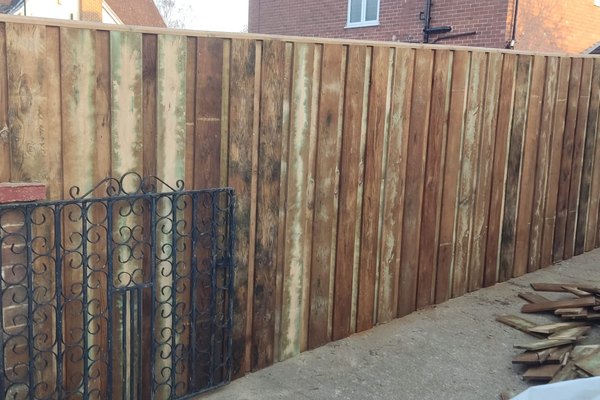

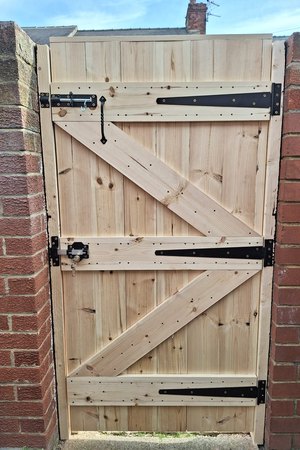
New fencing: the boring details that make it last
The single biggest factor in how long a Suffolk fence lasts isn't the panel material — it's the post installation. Wooden posts set in concrete with no drainage will rot at ground level within five to seven years. Wooden posts set in postcrete with a gravel layer at the base for drainage might last twelve. Concrete posts (slotted to take fence panels) will outlast everything else and are now my default specification for any new run.
So when I quote a fencing job, I'll usually recommend concrete posts with timber panels — you get the warm look of timber on the visible surface and the longevity of concrete on the structural side. The cost difference is small over the life of the fence and the maintenance saving is huge.
Panel choice and what works in Suffolk
Most domestic fencing in Suffolk uses standard 6ft x 6ft larch lap or feather-edge panels — perfectly serviceable, available everywhere, and cheap to replace individual panels if a storm brings one down. For a slightly nicer look I'll specify pressure-treated featheredge with kicker boards, double-sided so it looks the same from both gardens (sensible if you and your neighbour share the cost). For a high-end look, planted hit-and-miss boarding or contemporary horizontal slat fencing.
Coastal Suffolk (Aldeburgh, Felixstowe, Southwold, Lowestoft) needs the salt-air consideration. Galvanised post fixings will rust faster than inland; stainless steel fixings cost a fraction more and last longer. Closeboard panels handle wind better than overlap panels — useful where you've got open exposure to the prevailing south-westerlies.
Gates — pedestrian, side and driveway
Side gates and pedestrian gates are usually built into the fence run and need to match the panel style. The most important detail is the post the hinge side of the gate is fixed to — it carries the entire weight of the gate plus the impact of every slam, and an undersized post will start to twist within a year. I always specify a heavier-duty post (a 100mm concrete post with a treated timber facing, or a 4x4 inch timber post sunk a metre into postcrete) for any gate position.
Driveway gates are a separate trade in their own right — particularly powered automatic gates which need proper electrical work and safety beam installation under the latest gate safety regulations. I'll fit manual driveway gates and the timber/metal hardware. For automation I bring in a specialist installer with the relevant safety certifications.
Repairs, post pulls and storm damage
Most Suffolk fencing calls aren't whole-fence replacements — they're individual panel replacements after a storm, broken posts that need pulling and resetting, gates that have dropped on their hinges, and sections of trellis at the top of fencing that have rotted away. These are the bread-and-butter half-day jobs.
Post pulling is the single trickiest fencing job, particularly if the broken post has snapped at ground level and the lower section is still in concrete. I have a proper post puller for this rather than trying to dig the entire concrete block out, which makes a half-day job out of what would otherwise be a back-breaking full day with a spade.
Garden fencing rules, neighbours and boundaries
Boundary disputes are the curse of British gardening, and Suffolk is no exception. Before any fencing work I'll always ask which boundary you're on (which neighbour owns which side — check the deeds), whether you've spoken to your neighbour about the work, and whether there's any history of disputes about the line. A 30-second conversation with the neighbour before the work starts saves a lot of grief later, and where there's any doubt about the actual boundary line, I'll politely decline the work until it's resolved between the two parties.
Frequently asked questions
How long does a typical fencing job take?
A standard 30-metre run of new fence (about 17 panels) takes two to three working days for one person, or one and a half days with a labourer. Smaller repairs are usually half-day visits.
Concrete or timber posts?
Concrete every time for new runs — longer life, cheaper over the life of the fence, easier to replace damaged panels in the slots.
Will you take away the old fence?
Yes — removal and tipping included in the quote, with the fee itemised separately so you can see the tipping cost.
Do you fit gates with locks?
Yes — standard padlock-and-hasp arrangements, key-operated mortice locks for higher security, and combination locks for shared access situations like garden gates between flats.
Can you replace a single panel without replacing the whole fence?
Yes — if the posts and gravel boards are sound, a single panel swap is a one-hour job. If the post next to the failed panel is also rotten it'll be a half-day to do both.
Other services I offer across Suffolk
Towns I cover for fencing
I work across the whole of Suffolk. A handful of the towns I regularly visit:
Ready to book fencing in Suffolk?
Drop me a line with a few photos and a description of the job. I'll come back to you the same day with an honest opinion and a no-obligation quote.